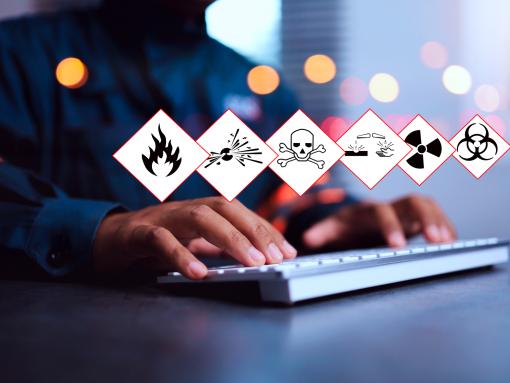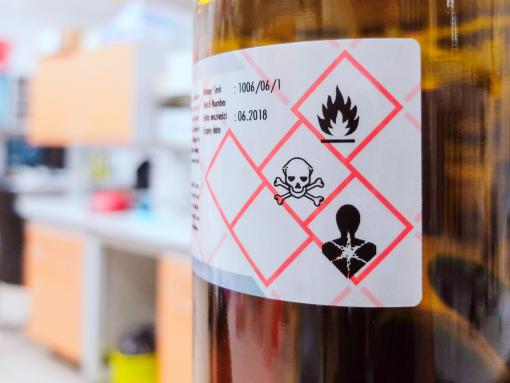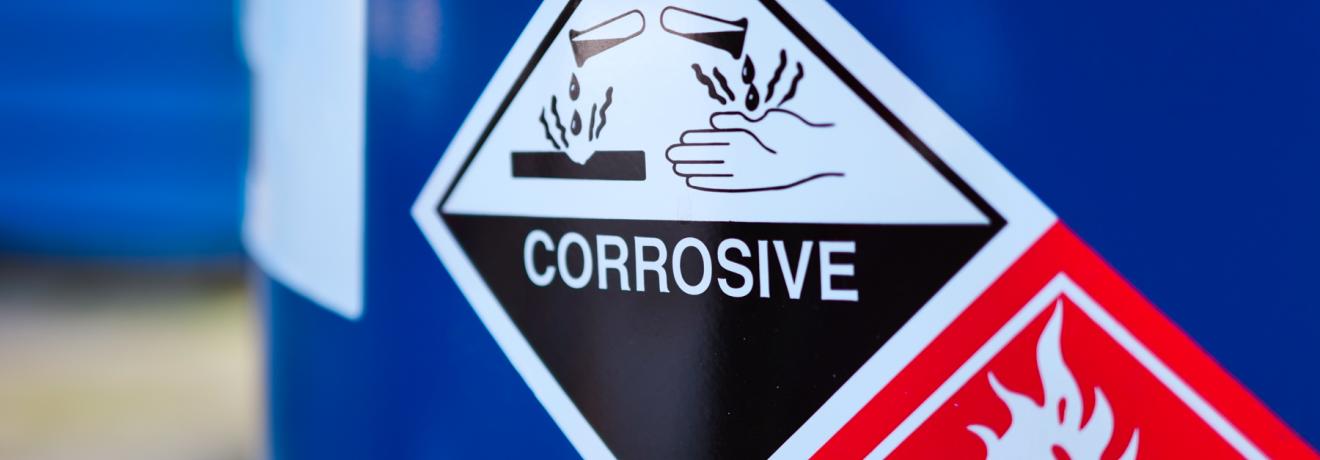
Ensuring compliance with Regulation (EC) No 1272/2008 on the classification, labelling and packaging of substances and mixtures (CLP) and GB CLP, is critical for businesses manufacturing, importing, or using chemicals in the EU and UK. CLP is somewhat unique is that it underpins various other chemicals regulations, including though not limited to, Regulation (EC) No 1907/2006 (REACH), Regulation (EU) No 528/2012 (BPR) and Regulation (EC) No 1107/2009 (PPP).
At Blue Frog, we provide comprehensive technical and regulatory affairs services, supporting companies to manage the requirements of classification, as well as labelling and packaging.
Registration Dossiers
- Ensuring that dossiers submitted under REACH, BPR and PPP include a rigorous assessment of hazard classes, and provide labelling and packaging information as required.
- This requires input from chemistry, toxicology, environmental fate and ecotoxicology experts.
Poison Centre Notifications (PCNs)
- Companies placing hazardous mixtures on the markets must provide key information on those mixtures to relevant national bodies, who make the information available to poison centres.
C&L Inventory Notifications
- Manufacturers and imports must notify substances that meet the classification criteria, or that are present in a mixture and contribute to the classification of the mixture, regardless of their tonnage.
- If the substance is REACH registered, a separate C&L inventory notification is not needed.
Advocacy & Stakeholder Engagement
- Classifications of substances (particularly once harmonised (CLH)) can have significant consequences, in the largely hazard-based chemical regulatory system within the EU and GB.
- Under REACH, it can lead to identification as a Substance of Very High Concern (SVHC), Restriction and/or Authorisation.
- Under BPR, it can limit which substances can be approved as an active substance and therefore their authorisation within biocidal products.
- Under PPP, it can limit which substances can be approved as an active substance and therefore their authorisation within plant protection products.
- Effective advocacy and stakeholder engagement can therefore be critical for the future of a substance.
- Regulatory Authority Engagement – Liaising with ECHA, HSE, and national regulators.
- Scientific & Technical Advocacy – Representing clients or consortia during processes such as harmonised classification and labelling (CLH) intentions and proposals, Compliance Check and Evaluation.
- Stakeholder Engagement – Engagement with industry groups and trade associations on behalf of clients or consortia.
Image
| A Streamlined & Proportionate Approach to New EU CLP Hazard ClassesThe November 2026 Hazard Class obligations deadline is getting close, but does every substance require a full ED assessment? Portfolio prioritisation strategies could help identify substances of potential concern, allocate expert resource more effectively and manage compliance costs in a more controlled and phased manner. Learn more about our streamlined and proportionate approach to the new EU CLP Hazard Classes... |
Blue Frog Scientific has a long-standing reputation supporting CLP across the chemicals, agrochemicals and biocides sectors. Our highly qualified team brings together direct experience from industry, regulatory authorities, and testing laboratories, ensuring a comprehensive understanding of the complexities involved in classification, labelling and packaging.
With a proven track record in the assessment and communication of hazards, we provide businesses with the expertise and support needed to navigate EU and UK CLP requirements effectively.