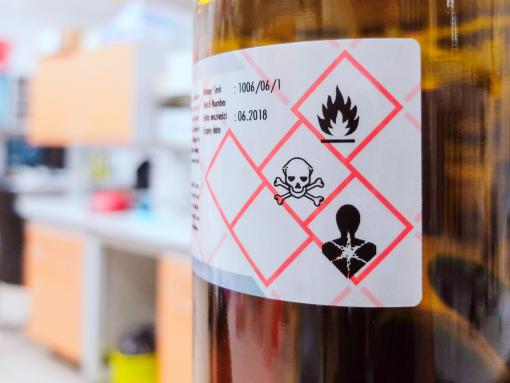
The introduction of the new EU CLP hazard classes under Commission Delegated Regulation (EU) 2023/707 represents one of the most significant developments in chemical hazard classification since the original implementation of the CLP Regulation.
The new hazard classes include:
Endocrine Disrupting properties for Human Health (ED HH)
Endocrine Disrupting properties for the Environment (ED ENV)
Persistent, Bioaccumulative and Toxic (PBT)
very Persistent and very Bioaccumulative (vPvB)
Persistent, Mobile and Toxic (PMT)
very Persistent and very Mobile (vPvM)
For many companies, however, the practical challenge is determining how to address them proportionately across increasingly large and complex substance portfolios.
November 2026 Hazard Class Obligations Deadline is Getting Close
Existing substances already on the EU market before 1 May 2025 must comply with the new CLP hazard class obligations by 1 November 2026.
Registrants recognise the practical scale of the assessment exercise required across larger substance portfolios. For many registrants, the challenge is not simply conducting individual ED or PMT/vPvM assessments, but determining how to prioritise substances efficiently – allocating limited internal resource and generating defensible conclusions within relatively compressed timelines.
At the same time, the scientific complexity associated with endocrine disruption assessments can be substantial, particularly where detailed weight-of-evidence analysis, mechanistic evaluation and extensive literature review are involved. PMT and vPvM assessments also represent a relatively new area for many organisations, with varying levels of internal expertise and available data.
Against the backdrop of continuing economic pressure across the European chemicals sector, many companies are rightfully questioning whether a traditional ‘full-scale' assessment approach is proportionate or commercially sustainable when applied across broad portfolios.
As a result, there is growing interest in more pragmatic and scalable screening strategies that can support early compliance planning, portfolio prioritisation and targeted escalation only where a higher level of regulatory concern is identified.
Does Every Substance Require a Full ED Assessment?
In practice, probably not.
The scientific and regulatory expectations associated with full ED assessments under ECHA/EFSA guidance can be substantial, particularly where extensive literature reviews, mechanistic evaluations, and detailed weight-of-evidence analyses are involved.
However, not every substance will necessarily justify this level of assessment at the initial compliance stage.
For many organisations, a pragmatic first step may involve:
Targeted screening using existing REACH dossier data.
Preliminary weight-of-evidence review.
Simple in silico profiling.
Identification of key data gaps.
Prioritisation of substances requiring further investigation.
As a first phase, this approach can help companies rapidly identify substances of potential concern while avoiding unnecessary higher-tier assessment work where available information does not indicate elevated regulatory risk.
Portfolio Prioritisation & Streamlined Screening
For many organisations, the focus is now shifting towards portfolio prioritisation strategies that help identify substances of potential concern, allocate expert resource more effectively and manage compliance costs in a more controlled and phased manner.
This is particularly important given the evolving nature of regulatory expectations surrounding endocrine disruption and PMT/vPvM assessments, where scientific interpretation and data availability can vary significantly between substances.
A streamlined screening strategy can therefore provide an important first step towards understanding portfolio-level regulatory risk, identifying substances that may warrant further assessment and supporting initial compliance planning ahead of the November 2026 deadline. In many cases, this type of phased approach will also allow companies to avoid unnecessary higher-tier assessment activity where existing available information does not indicate elevated concern.
Existing Data First - Escalation Only Where Justified
At Blue Frog, we often support clients with phased assessment strategies designed to be proactive and pragmatic:
An initial defensible regulatory position using existing available data.
Rapid portfolio prioritisation.
Targeted escalation to higher-tier assessment only where concern is identified.
A more proportionate approach to managing the new CLP obligations.
For substances where potential ED, PBT/vPvB or PMT/vPvM concerns are identified, higher-tier assessment and more detailed regulatory strategy support can then be focused where it is most likely to be needed.
As the November 2026 deadline approaches, companies that begin screening and prioritisation activities early are likely to be better positioned to manage both compliance risk and regulatory spend effectively.
For further information on streamlined ED and PMT/vPvM screening strategies, please call or email and speak directly with one of our regulatory consultants with specialist endocrine disruption and CLP expertise.